2026-01-29 Privacy policy
Privacy policy We attach great importance to your privacy and are committed to protecting your personal information. In this Privacy Policy, we explain the leads we col...


Privacy policy We attach great importance to your privacy and are committed to protecting your personal information. In this Privacy Policy, we explain the leads we col...
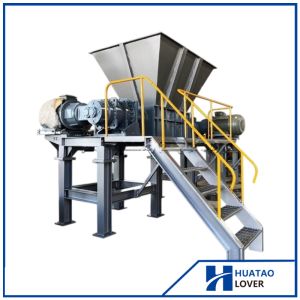
Wood recycling begins long before biomass briquetting or particleboard pressing. It begins at the primary size reduction stage, where the Double Shaft Shredder determines whether the rest of the line can run without interruption. Pallets with nails, construction formwork, tree trunks, furniture offc...

Every wood recycling operation eventually confronts the same reality: the primary shredder sets the ceiling on everything that follows. Pallets with nails, construction formwork, tree trunks, furniture offcuts, wet timber and demolition wood arrive as bulky, irregular feedstock that no downstream sc...
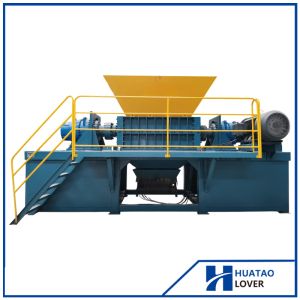
Metal recycling lines live or die by their primary size reduction stage. End-of-life vehicles, mixed scrap, aluminum profiles, steel drums, cable bundles, white goods and industrial demolition scrap cannot be fed directly to magnetic separators or eddy current separators. Separation technologies req...
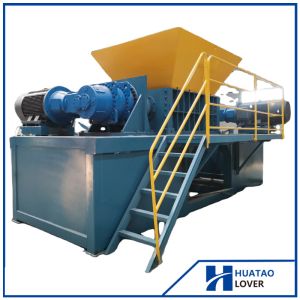
Electronic waste is among the most difficult feedstock in recycling. Circuit boards, appliance shells, cables, hard drives, printers, copiers, mobile phones and office equipment arrive mixed, bulky and often contaminated. These materials contain both metal and plastic, and they cannot be processed d...
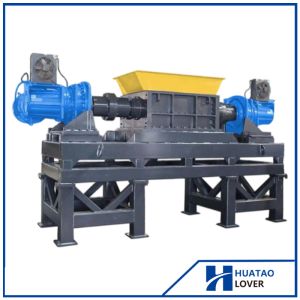
In plastic recycling, the primary size reduction stage determines the performance of every downstream process. Bales, purgings, thick-walled molded parts, films, woven bags, PET bottles, HDPE drums and injection molding scraps cannot be fed directly to washing lines or granulators. The Double Shaft ...
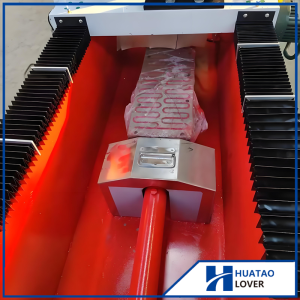
Blade condition is the single most influential variable in the operating cost of any size-reduction equipment. A shredder, granulator, or crusher running with sharp blades consumes less energy, produces a more consistent output, and places less stress on bearings and drive components. As blades dull...
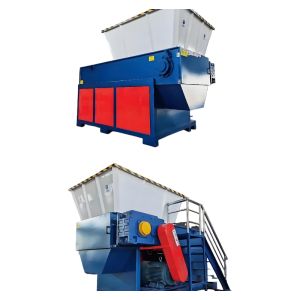
The global wood processing and recycling industry generates enormous volumes of waste material every year—pallets, crates, timber offcuts, construction formwork, demolition wood, and green waste from landscaping and forestry operations. Historically, much of this material was landfilled, burne...
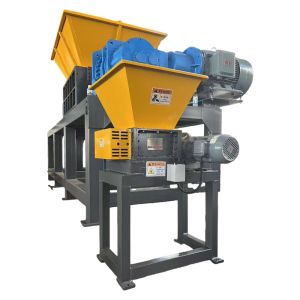
Pallets represent one of the largest and most consistent streams of wood waste in the industrial world. An estimated two billion pallets are in circulation in the United States alone, with millions reaching the end of their service life each year. These pallets—constructed from hardwood and so...
HUATAO GROUP - Recycling Machine and Spare parts
ADD : No.298 Zhonghua North Street, Shijiazhuang 050000 China.
TEL : +86 13383116640
EMAIL :marketing@huataogroup.com
 WhatsApp & WeChat : +86 13383116640