What Is the Best Eddy Current Separator for Metal Recycling?
An eddy current separator (ECS) is designed to recover conductive non-ferrous metals from suitable mixed waste streams. It is commonly used for aluminum recovery, scrap metal processing, and selected electronic waste applications.
The right machine depends on material characteristics, production capacity, and the required separation results.
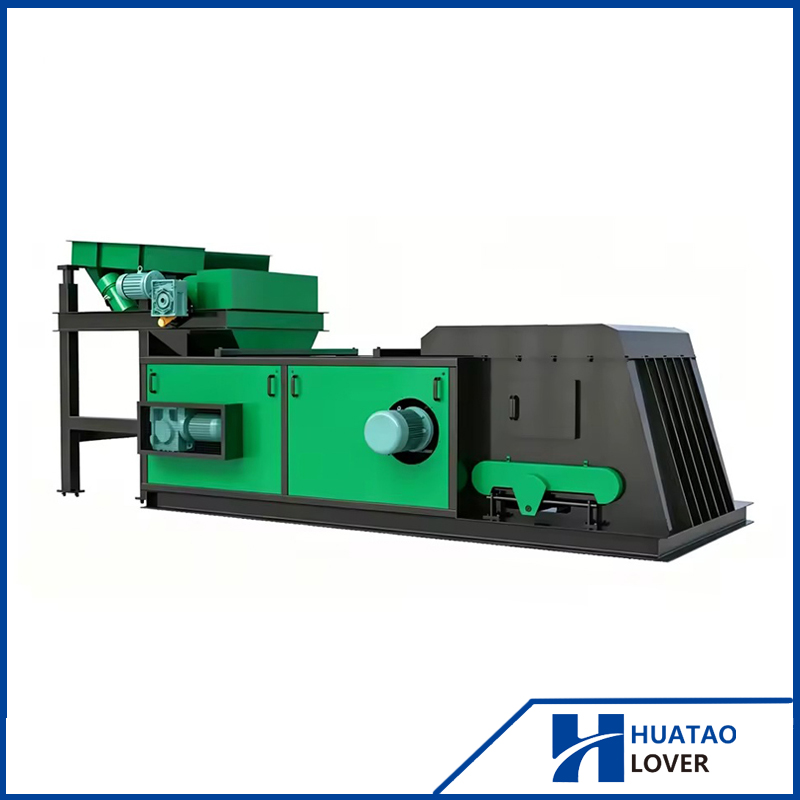
1. Understand the Working Principle
A high-speed magnetic rotor generates a changing magnetic field. Conductive metal particles develop induced eddy currents, creating repulsive forces that alter their movement as they leave the conveyor.
The metal and non-metal fractions follow different trajectories and are collected separately.
Learn more about the Eddy Current Separator and how it supports non-ferrous metal recovery.
2. Identify the Target Materials
ECS equipment is mainly used for suitable aluminum, copper, brass, and other conductive non-ferrous metal particles.
It does not replace magnetic separation for iron and steel. It also cannot guarantee recovery of every metal in a complex waste stream.
For mixed materials, a complete Scrap Metal Recycling Production Line may combine multiple separation stages. For broader applications, see Engineering a Complete Metal Recycling Line.
3. Evaluate Feed Preparation
Feed preparation has a direct influence on separation quality.
A typical process includes shredding, screening, ferrous removal, controlled feeding, and eddy current separation. Particle size, metal liberation, moisture, and feed distribution can all affect performance.
For complex feedstocks such as end-of-life vehicles and electronic waste, explore Configuring the Metal Recycling Line for Complex Feedstocks.
Some projects may also benefit from flexible on-site processing. Learn about Mobile Metal Recycling Lines.
4. Compare the Important Parameters
Buyers should compare:
-
Feed particle-size range
-
Conveyor belt width and speed
-
Rotor configuration and speed
-
Required throughput
-
Metal recovery and purity targets
-
Installation and maintenance requirements
A machine suitable for coarse scrap residue may not achieve the same results with fine electronic scrap.
The High-Performance Eddy Current Separator is worth considering when evaluating the role of ECS technology in a modern recycling plant.
5. Consider E-Waste Applications
Electronic waste contains mixed metals, plastics, and other components. After safe dismantling, shredding, screening, and ferrous separation, an ECS can help recover suitable non-ferrous fractions.
For more specialized applications, explore High-Precision E-Waste Eddy Current Separators and The Role of Eddy Current Separators in E-Waste Recycling.
For circuit board processing, see the Circuit Board Crushing and Sorting Production Line.
Another option to review is the Automatic Eddy Current Separator for Plastic and Non-Ferrous Metal Sorting.
Conclusion
The best eddy current separator is selected through feedstock evaluation, process design, and performance testing. Buyers should confirm the machine's suitability with representative material samples before investment.
Any interesting ,please contact with me.
Email: marketing@huataogroup.com
Tel/WeChat/WhatsApp: 008613383116640
Website: www.huataoshredder.com
WhatsApp: http://wa.me/13383116640
#shredding #environment #waste #recycling #blade #metalrecycling #woodrecycling #RDF #MSW #recyclingworks #materialrecycling #recyclable #aluminum #aluminiumrecycling #recyclingindustrymatters #recyclingindustry #scraprecycling #alumiumscrap #aluminiumscraprecycling #energy #secondaryindustrymatters #tyrerecycling
#shredding #shredderknive #wasterecycling #blade #metalrecycling #aluminum #aluminiumrecycling #copperwirerecycling #Cablerecycling #alumiumscrap #aluminiumscraprecycling
#woodrecycling #RDF #MSW #recyclingworks #materialrecycling #recyclable #recyclingindustrymatters
#recyclingindustry #scraprecycling #energy #secondaryindustrymatters #tyrerecycling
#plasticrecycling #crusherblade #industrialcrusher #recycling #PETbottlerecycling #blade #plasticcrusher #hardplasticrecycling #pprecycling #plastictrayrecycling #perecycling #psrecycling #pvcrecycling #Sharpener #bladesharpen #grinder #bladegrinding #sharpenermachine



 WhatsApp