Dust generation is a common challenge in plastic crushing and recycling operations. During size reduction, plastic materials are cut, broken and rubbed against machine components, producing fine particles that can spread through the production area.
Excessive dust can affect workplace cleanliness, increase equipment maintenance requirements, contaminate recycled plastic flakes, and create potential respiratory and fire or explosion hazards depending on the material and dust characteristics.
For plastic recycling plant operators, reducing dust requires more than installing a dust collector. The most effective approach combines suitable crushing equipment, optimized operating conditions, enclosed material handling, dust extraction and regular maintenance.
Quick Answer: What Are the Most Effective Ways to Reduce Dust?
The most important starting points are:
-
Use a plastic crusher suitable for the material.
-
Maintain sharp blades and correct cutting clearance.
-
Control crusher feeding speed.
-
Adjust output size and screen configuration.
-
Install an industrial dust collection system.
-
Use enclosed conveying and material transfer.
-
Optimize airflow and ventilation.
-
Maintain dust collection equipment.
-
Improve workshop cleaning and operator safety.
-
Monitor dust levels and optimize the complete recycling line.
1. Use a Plastic Crusher Suitable for the Material
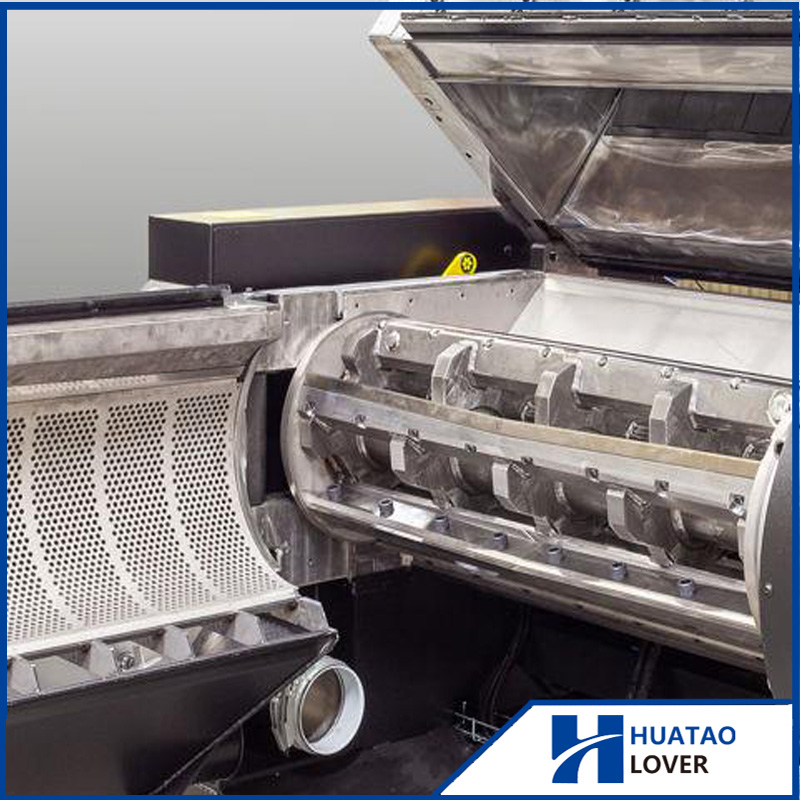
Choosing the right plastic crusher is the first step toward controlling dust generation. Different plastic materials behave differently during crushing. Brittle plastics may produce more fine particles, while flexible plastics may require different cutting configurations to achieve consistent output.
When selecting a crusher, consider plastic material type (PP, PE, ABS, PVC), material thickness and dimensions, required output particle size, blade configuration, rotor speed, feeding conditions and screen opening size. A machine designed for the actual material can reduce unnecessary repeated cutting and improve particle-size consistency. For rigid plastic applications, see HIGH EFFICIENCY CRUSHER FOR DAILY RIGID PLASTIC WASTE RECYCLING. For granulation, review PLASTIC GRANULATOR MACHINE.
2. Optimize Blade Sharpness and Cutting Clearance
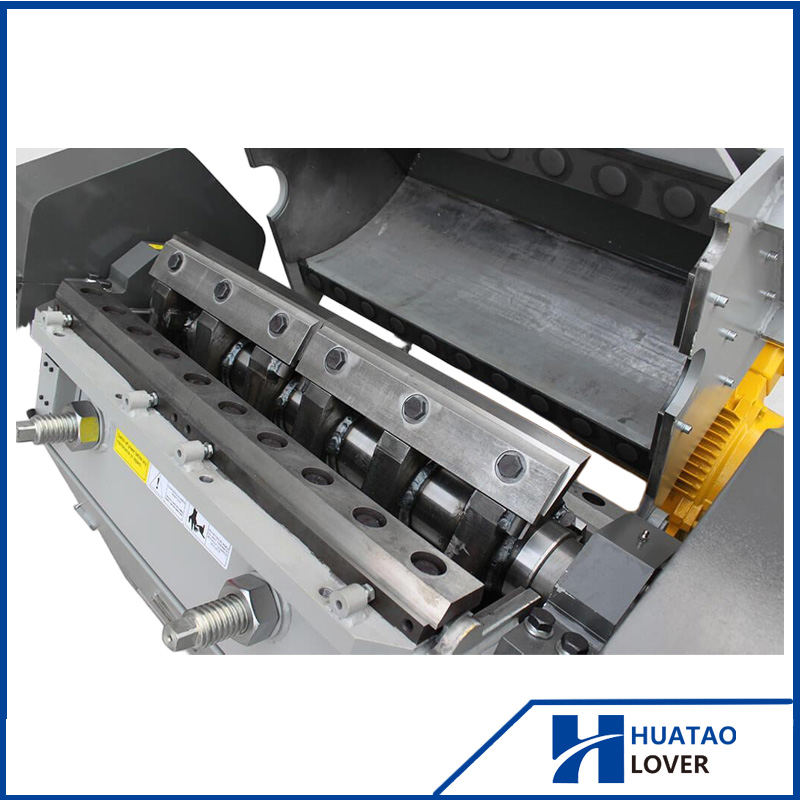
Worn or improperly adjusted blades can increase friction and produce excessive fine particles. When cutting edges become dull, plastic materials may be crushed or rubbed instead of being cleanly cut.
Common signs of blade problems include increased fine powder in the output, higher motor current, unusual noise during crushing, reduced processing efficiency and irregular plastic flakes.
Practical solutions include regular inspection of rotating and stationary blades, maintaining blade clearance according to manufacturer specifications, sharpening or replacing worn blades when necessary, checking blade installation and fastening, and avoiding operation with damaged cutting components. Sharp blades and correct clearance help produce more consistent flakes and reduce unnecessary friction. For detailed blade care, see OPTIMIZING SHREDDER BLADE USAGE A COMPREHENSIVE GUIDE TO EFFICIENCY AND LONGEVITY and HOW TO CHOOSE THE RIGHT PLASTIC CRUSHER BLADES SKD11 D2 DC53 AND LD.
3. Control Crusher Feeding Speed
Irregular feeding can cause unstable crushing conditions and increase dust generation. If too much material enters the cutting chamber at once, the crusher may become overloaded. If feeding is too slow or inconsistent, material may remain inside the chamber longer than necessary.
How to improve feeding conditions:
-
Maintain a stable feeding rate.
-
Avoid overloading the crusher.
-
Use a suitable conveyor or automatic feeding system.
-
Match feeding capacity with the crusher’s processing capacity.
-
Prevent foreign materials from entering the machine.
Stable feeding helps maintain consistent cutting performance and reduces unnecessary material circulation. For complete line planning, see WASTE RECYCLING PRODUCTION LINE.
4. Adjust the Output Size and Screen Configuration
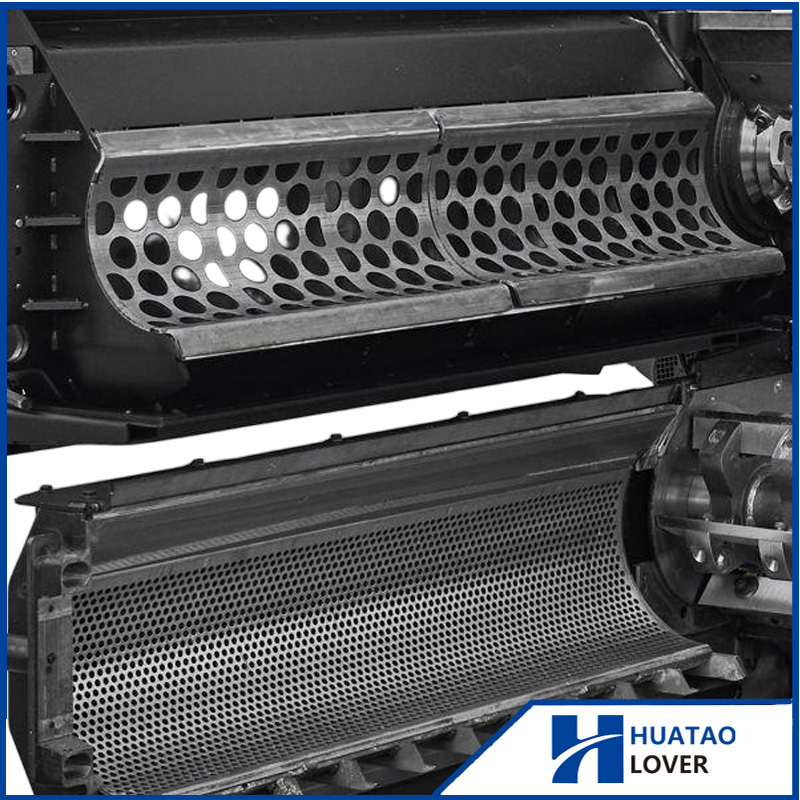
The screen inside a plastic crusher influences the size of discharged plastic particles. If the screen opening is too small for the required production target, material may need to remain in the cutting chamber longer. This can increase repeated cutting and friction, potentially generating more fine particles.
Recommended measures:
-
Select screen openings according to the required output size.
-
Avoid unnecessarily small screen openings.
-
Inspect screens for damage and blockage.
-
Clean accumulated plastic material regularly.
-
Test output particle-size distribution after adjustments.
The objective is to achieve the required particle size without excessive repeated processing. For screening equipment, see VIBRATING SCREEN MACHINE.
5. Install an Industrial Dust Collection System
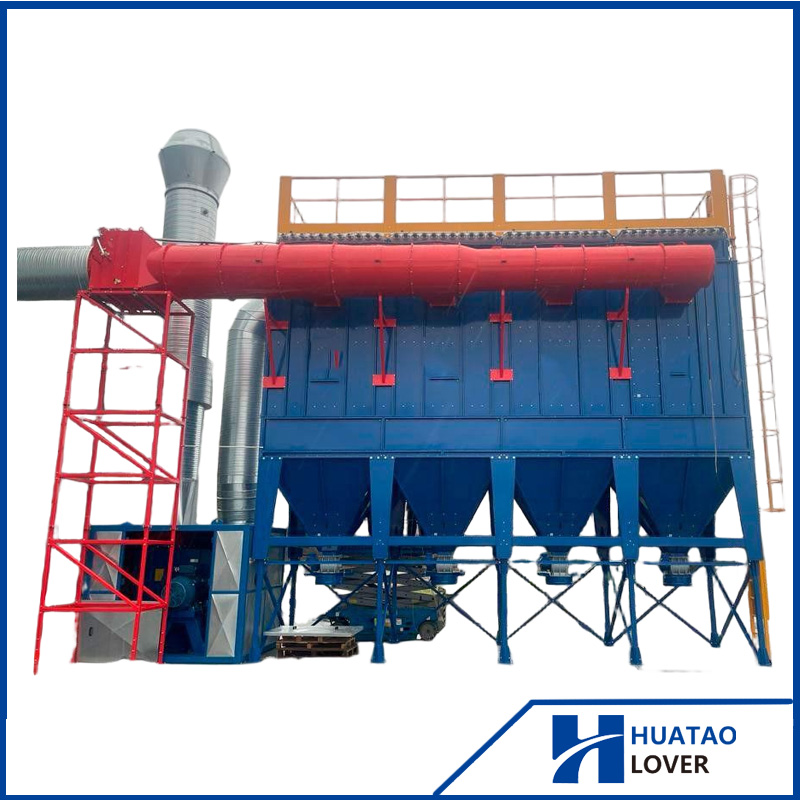
A dust collection system is one of the most effective ways to capture airborne particles generated during plastic crushing and material transfer. A typical system may include dust collection hoods, extraction ducts, industrial fans, bag filters or cartridge filters, and dust collection containers.
The extraction hood should be positioned near the crusher discharge or other dust-generating points. Important selection factors include:
| Factor |
What to consider |
| Dust characteristics |
Particle size and material properties |
| Airflow |
Required extraction volume |
| Filter type |
Compatibility with collected dust |
| Duct design |
Airflow resistance and material buildup |
| Maintenance |
Filter cleaning and replacement |
| Safety |
Dust combustibility and system design |
The system should be designed according to the actual dust characteristics and equipment operating conditions. A general-purpose dust collector may not be suitable for every plastic material.
6. Use Enclosed Conveying and Material Transfer
Dust can escape not only from the crusher but also from conveyors, discharge openings and material transfer points. Open material handling systems allow fine particles to spread throughout the workshop.
Practical improvements include installing covers on suitable conveyor sections, enclosing material transfer points, reducing unnecessary material drop heights, sealing gaps around discharge connections and connecting extraction systems to appropriate dust-generating points. Enclosed conveying helps contain dust and keeps the production environment cleaner.
7. Optimize Airflow and Ventilation
Good ventilation helps control airborne dust, but simply increasing general workshop airflow is not always effective. Poorly positioned fans may spread dust from one production area to another.
A better approach is to combine local exhaust ventilation with an appropriate general ventilation system. Recommended practices include capturing dust close to its source, avoiding directing fans toward dusty discharge points, maintaining suitable extraction airflow, inspecting ducts for blockages and leakage, and ensuring collected air is treated appropriately before discharge or recirculation. Local dust extraction is generally more effective than relying only on general workshop ventilation.
8. Maintain the Dust Collection Equipment
Even a properly designed dust collection system can lose performance if filters and ducts are not maintained. Common problems include filter blockage, reduced airflow, damaged filter bags, dust leakage at connections and fan performance deterioration.
Maintenance checklist:
| Component |
Inspection focus |
| Extraction hood |
Position and dust leakage |
| Ductwork |
Blockages and air leakage |
| Filter bags |
Damage and accumulated dust |
| Cartridge filters |
Cleaning and replacement |
| Industrial fan |
Noise, vibration and performance |
| Dust container |
Capacity and safe emptying |
Monitor airflow or pressure difference across filters according to the manufacturer’s recommendations.
9. Improve Workshop Cleaning and Operator Safety
Dust that settles on floors, equipment and electrical components can become airborne again during production or cleaning. A regular housekeeping program helps reduce secondary dust exposure.
Recommended practices include cleaning floors and equipment regularly, using suitable industrial vacuum cleaning equipment, avoiding dry sweeping that disperses fine particles, avoiding compressed air for routine dust removal, providing appropriate respiratory protection based on workplace risk assessments, and training operators in safe cleaning and maintenance procedures. Dust hazards should be assessed based on the actual plastic material and particle characteristics. Some combustible plastic dusts may require specialized explosion prevention and protection measures.
10. Monitor Dust Levels and Optimize the Complete Recycling Line
Reducing dust is an ongoing process. Operators should monitor dust generation at different stages rather than focusing only on the crusher.
Important monitoring points include crusher feeding area, cutting chamber discharge, conveyor transfer points, screening equipment, washing and drying sections, and dust collection discharge.
Track operational indicators such as filter pressure difference, extraction airflow, equipment downtime and the amount of fine particles in the recycled material. If dust levels increase suddenly, inspect blade condition, feeding stability, screen blockage and dust collection performance. A systematic approach helps identify the actual source of the problem and avoid unnecessary equipment modifications.
Frequently Asked Questions
1. Why does plastic crushing produce so much dust?
Plastic dust can result from brittle material properties, worn blades, excessive friction, unsuitable screen configurations and repeated cutting. The amount of dust also depends on the plastic type and operating conditions.
2. How can I reduce dust from a plastic crusher?
Maintain sharp blades, optimize feeding speed, select suitable screen openings and install effective dust extraction near the crusher discharge. Enclosing material transfer points can further reduce dust dispersion.
3. Is a dust collector necessary for plastic recycling?
A dust collection system is often an important part of industrial plastic recycling facilities, particularly where crushing and material transfer generate airborne particles. The required configuration depends on dust characteristics, production scale and workplace risk assessments.
4. Does a higher crusher speed produce more dust?
Not necessarily. Dust generation depends on material properties, blade design, cutting conditions and equipment configuration. Excessive speed or friction may increase fines in some applications, so operating parameters should be optimized through material testing.
5. What is the best way to clean plastic dust in a recycling workshop?
Use suitable industrial vacuum cleaning equipment and follow workplace safety procedures. Avoid dry sweeping and compressed air because they can disperse fine particles into the air.
Conclusion
Reducing dust during plastic crushing and recycling requires a combination of proper equipment selection, optimized cutting conditions, stable feeding, effective dust collection, enclosed conveying and regular maintenance. The most important starting points are maintaining sharp blades, selecting suitable screen configurations, controlling feeding conditions and capturing dust close to its source.
For plastic recycling plant operators, an integrated dust control strategy can improve workplace cleanliness, support consistent recycled plastic quality, reduce maintenance requirements and create a safer production environment. For cost control, review FOCUS ON COST EFFICIENCY LONG TERM OPERATION LOW MAINTENANCE AUTOMATIC ELECTROMAGNETIC LINEAR GRINDING EQUIPMENT.
Contact HUATAO
Website: https://www.huataoshredder.com/
Email: marketing@huataogroup.com
Mobile / WhatsApp / WeChat: +86 13383116640



 WhatsApp