Product Overview
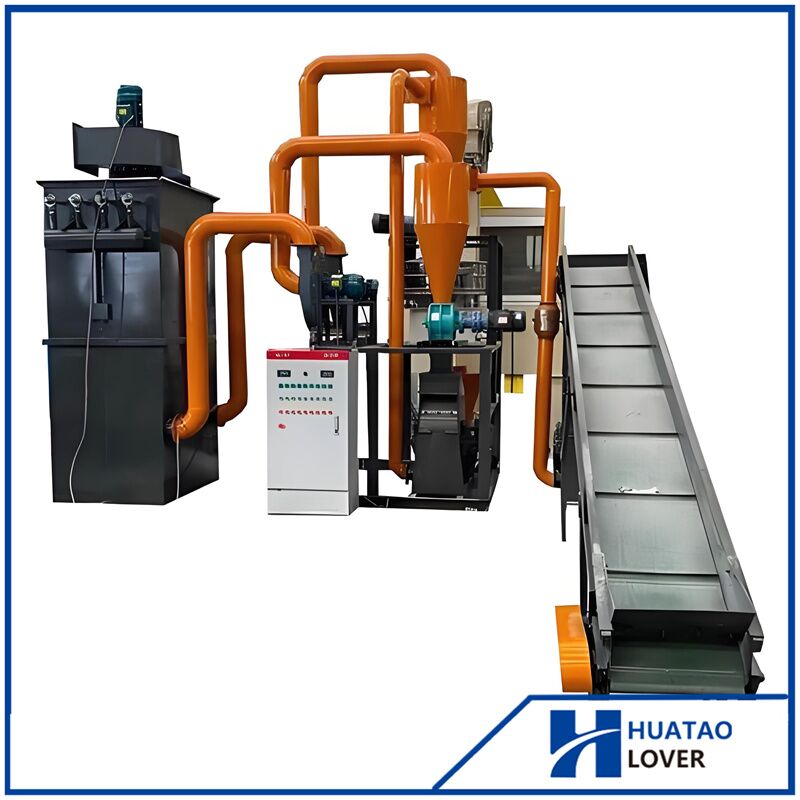
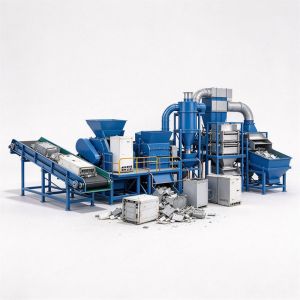
HUATAO PCB Board Recycling Machine is a complete processing system designed to recover valuable metals from waste printed circuit boards. Electronic scrap contains substantial quantities of copper, gold, silver, and other metals that, if properly recovered, represent significant economic value. The PCB Board Recycling Machine transforms whole circuit boards into separated metal and non-metal fractions through a sequence of mechanical and electrostatic processes.
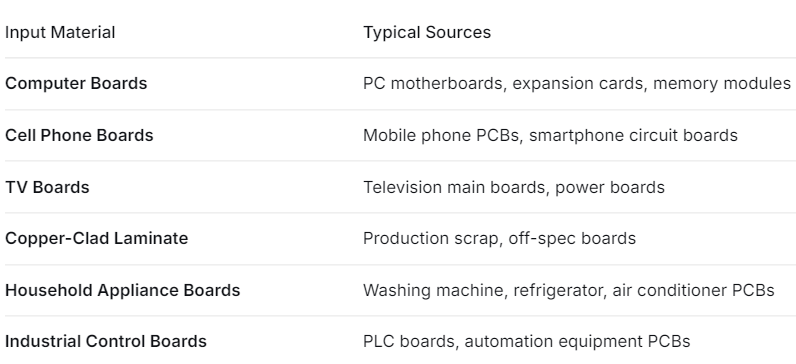
What the PCB Board Recycling Machine Processes:
The PCB Board Recycling Machine handles a wide range of electronic circuit board waste:
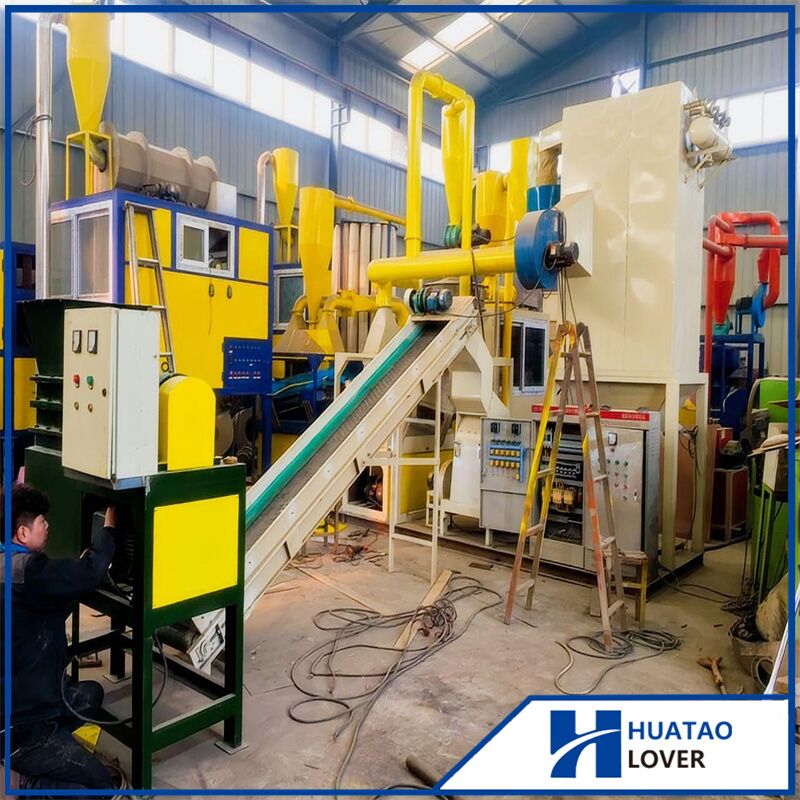
A complete PCB Board Recycling Machine follows a defined sequence. Each stage is engineered to liberate and separate materials progressively.
Stage 1: Pre-Processing and Dismantling
Electronic components are removed from the circuit board to recover reusable components, solder, and the motherboard. This stage separates large components that would interfere with downstream processing.
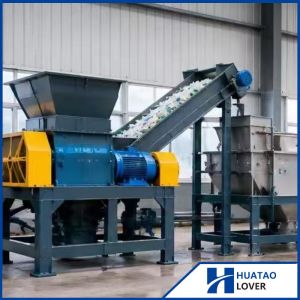
Stage 2: Primary Shredding
Waste PCB boards are reduced to coarse fragments using a double-shaft shredder. The shredder uses wear-resistant steel blades to break down the boards into manageable pieces.
Stage 3: Secondary Crushing
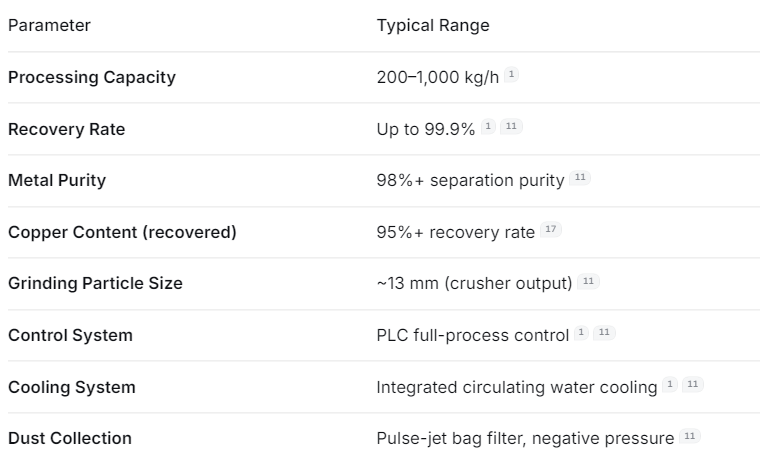
The shredded material is further reduced using a crusher, typically to a particle size of approximately 13 mm. This stage produces a mixture of metal and resin powder.
Stage 4: Pulverization and Grinding
The crushed material is ground into fine powder using a pulverizer or grinding mill. The grinding process liberates copper from the resin substrate, producing a mixed powder of metal and non-metal particles. Integrated circulating water cooling systems control internal temperature and reduce noise during this stage.
Stage 5: Air Separation
The mixed powder is separated by density using an airflow separator. Under controlled airflow, heavier metal particles fall while lighter resin and fiber particles are carried away. This stage separates the bulk of copper from the plastic/resin fraction.
Stage 6: Electrostatic Separation
The remaining mixed material passes through a high-voltage electrostatic separator. This stage uses differences in electrical conductivity to separate residual metal particles from non-metal material. Electrostatic separation is critical for achieving high recovery rates and purity.
Stage 7: Dust Collection
A pulse-jet bag filter dust collector captures fine particles generated throughout the process. The entire system operates under negative pressure to prevent dust escape and ensure a clean working environment.
Technical Specifications
Key Features
1 PLC Full-Process Control. The PCB Board Recycling Machine uses PLC automation for stable performance, easy operation, and consistent output quality.
2 Integrated Water Cooling. Circulating water cooling controls grinding temperature and reduces operating noise, extending equipment life and improving working conditions.
3 Negative Pressure Feeding. The system operates under negative pressure to suppress dust overflow, ensuring a cleaner and safer working environment.
4 High Recovery Rate. The combination of air separation and electrostatic separation achieves copper recovery rates exceeding 95%, with overall metal recovery up to 99.9%.
5 Wear-Resistant Construction. Shredder blades and grinding components are manufactured from wear-resistant materials for extended service life.
Economic Value of PCB Recovery
Waste circuit boards contain significant metal value. Statistics indicate that 1 tonne of waste PCBs contains approximately:
1 130 kg Copper
2 66 kg Aluminium
3 0.45 kg Gold
4 41 kg Iron
5 30 kg Lead
6 20 kg Tin
7 18 kg Nickel-2
The PCB Board Recycling Machine enables recovery of these materials, transforming electronic waste into valuable secondary raw materials.
Applications:
The PCB Board Recycling Machine is deployed in:
1 E-Waste Recycling Facilities — Processing collected electronic scrap
2 Electronics Manufacturers — Recovering production scrap and off-spec boards
3 Metal Refiners — Pre-processing PCB waste for further refining
4 Recycling Cooperatives — Adding value to collected e-waste
Contact Us
Ready to discuss a PCB Board Recycling Machine configuration for your circuit board waste stream?






 WhatsApp