Capsule Shell Recycling Production Line
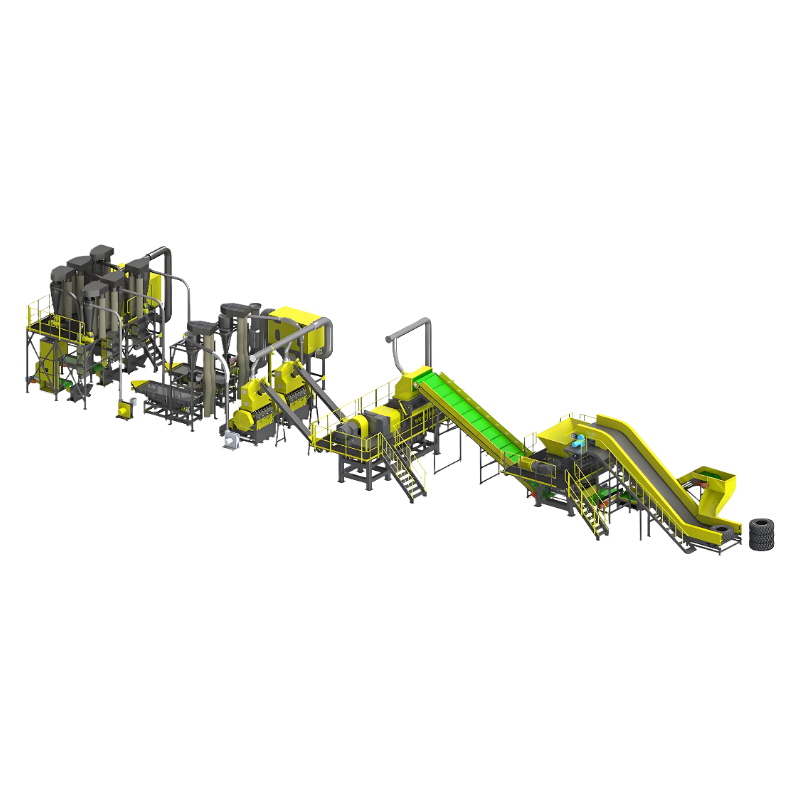
Turn Waste Capsule Shells into Valuable Recycled Material
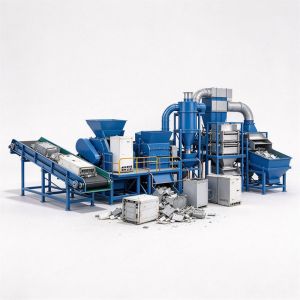
Our Capsule Shell Recycling Production Line is a complete, integrated solution that recovers and reprocesses waste capsule shells—including gelatin and HPMC (vegetable) capsules—into clean, reusable raw material. Built for pharmaceutical and nutraceutical manufacturers, contract packers, and recycling operators, the line combines shredding, washing, separation, dewatering, and drying into one continuous, PLC-controlled process.
Whether you are dealing with rejected capsules, expired stock, or production scrap, this line helps you reduce disposal costs, meet environmental compliance, and recover value from what was previously treated as waste.
The Challenge: Capsule Shell Waste Is Costly to Handle
Capsule production and packaging inevitably generate waste: out-of-spec shells, rejected batches, expired stock, and changeover scrap. This waste is bulky, difficult to dispose of, and often classified as regulated or pharmaceutical waste — meaning disposal is expensive, documentation-heavy, and environmentally undesirable.
At the same time, capsule shells are made from valuable materials — gelatin or HPMC — that can be recovered, cleaned, and reused or resold. The problem is that manual handling is inefficient, hygienic risk is high, and inconsistent processing leads to poor-quality output.
Our Capsule Shell Recycling Production Line solves this by turning a disposal liability into a recoverable resource, in a controlled, automated, and hygienic process.
How It Works ?
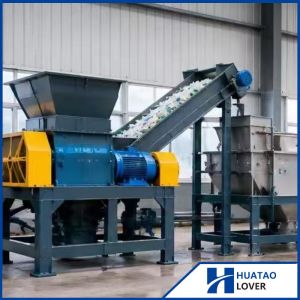
1 Feeding & Shredding — Waste capsule shells are fed into a shredder/crusher that reduces them to uniform fragments, increasing surface area for effective downstream cleaning.
2 Washing & Cleaning — The fragments pass through a multi-stage washing section that removes residual fill material, dust, and contaminants. Washing parameters (water flow, retention time, detergent dosing if required) are adjustable to suit different shell types.
3 Separation — Solid-liquid separation and, where required, density/flotation separation isolate the capsule shell material from foreign matter and residual fill.
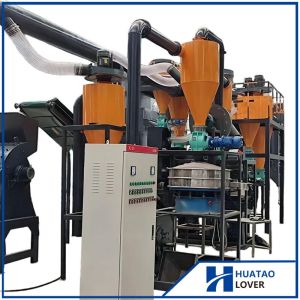
4 Dewatering — A centrifugal dewatering unit reduces moisture content before drying, lowering the energy load on the dryer.
5 Drying — A hot-air drying system brings the material to a stable, low-moisture output suitable for storage or further processing. Temperature and residence time are controlled to protect material quality.
6 Discharge & Storage — Finished material is discharged into collection bins or bulk storage for reuse, pelletizing, or sale.
7 Each stage is interlocked and controlled from a central PLC, so operators can monitor and adjust the process from a single touch screen.
Key Advantages:
1 Complete turnkey process — from raw waste feed to dried, recyclable output in a single line.
2 High recovery rate — maximizes material yield while minimizing waste sent to landfill.
3 PLC-controlled automation — stable operation, easy parameter adjustment, and reduced labor requirements.
4 Hygienic design — SUS304 stainless steel contact parts, easy-clean construction, and enclosed material flow suitable for pharmaceutical-adjacent waste handling.
5 Customizable capacity — configurations available to match your throughput, from pilot-scale to industrial volumes.
6 Environmental compliance — supports your sustainability targets and reduces disposal costs.
7 Low operating cost — optimized water recycling options and energy-efficient drying reduce running expenses.
Process & Quality Control:
1 Quality of the recovered material depends on consistent processing. Our line is designed with the following controls:
2 Adjustable wash stages to match different shell compositions (gelatin vs. HPMC) and residual fill levels.
3 Controlled drying temperature to avoid material degradation.
4 Sampling points at washing, dewatering, and discharge for routine quality checks.
5 Final moisture and purity targets agreed with the customer before shipment and verified during commissioning.
If your waste contains residual active ingredients, we can advise on appropriate washing and wastewater handling measures to support your compliance requirements.
Safety & Compliance:
1 Contact parts in SUS304 stainless steel; pharma-grade options available on request.
2 Enclosed conveying and processing to minimize dust and operator exposure.
3 Emergency stop, overload protection, and interlock systems as standard.
4 Documentation package includes electrical drawings, operation manual, and maintenance schedule.
5 CE certification available (confirm for your target market).
Applications:
1 Pharmaceutical and nutraceutical capsule production scrap
2 Rejected or out-of-spec capsules
3 Expired capsule stock requiring safe disposal and recovery
4 HPMC and gelatin capsule shell waste
5 Contract manufacturing and packaging facilities
6 Recycling operators handling capsule shell waste streams
7 Technical Specifications (Framework)
Why Choose Us?
With 13 years of experience in recycling and processing equipment, we provide not only the machine but also process design, installation guidance, commissioning support, and operator training. Every line is built to order and tested before shipment. Our engineering team works with you from material analysis to final acceptance, so you get a line that fits your actual waste stream — not a generic catalogue machine.
FAQ:
Q: Can the line handle both gelatin and HPMC capsules?
A: Yes, with adjustable washing and drying parameters. Please share your material composition for a tailored configuration.
Q: What is the final output and what can it be used for?
A: The output is cleaned, dried capsule shell material, suitable for reuse, further processing, or resale depending on your quality requirements.
Q: How is wastewater from washing handled?
A: Wastewater can be routed to your existing treatment system, or we can propose an optional treatment/recycling module depending on local regulations.
Q: What is the lead time?
A: Typically 30-35 days after deposit, depending on configuration and customization.
Q: Do you provide installation and training?
A: Yes — on-site installation guidance, commissioning, and operator training are available (included or optional, depending on order).
Get a Quote
Ready to turn capsule shell waste into value? Contact our team today for a free technical consultation, customized configuration, and quotation.





 WhatsApp