Receiving a new industrial shredder is an important investment for a recycling plant. However, purchasing suitable equipment is only the first step. Proper installation, commissioning, daily operation, and preventive maintenance determine how reliably the machine performs over time.
Whether processing plastic waste, rubber, wood, scrap metal, or other industrial materials, operators should establish a maintenance routine from the beginning.
A well-maintained machine can help reduce avoidable component wear, minimize unexpected downtime, and maintain more consistent production conditions.
This guide explains the essential maintenance practices that should be followed after receiving a new industrial shredder.
1. Inspect the Equipment Before Initial Commissioning
Before starting production, conduct a complete inspection of the machine.
Check the foundation, installation position, fastening bolts, electrical connections, transmission components, and safety protection devices.
Confirm that the motor rotation direction and electrical supply match the manufacturer's requirements.
A controlled no-load test should be completed before feeding materials. During this stage, monitor abnormal noise, vibration, and temperature changes.
The equipment configuration should also match the intended application. For example, a DOUBLE SHAFT SHREDDER and a SINGLE SHAFT SHREDDER use different cutting arrangements and may require different inspection procedures.
2. Introduce Materials Gradually
A new shredder should not immediately operate at maximum production demand.
Start with suitable materials and gradually increase the feeding rate while monitoring the machine's operating condition.
Excessive feeding may increase mechanical resistance and place unnecessary stress on the motor, gearbox, shafts, and cutting components.
Before production, evaluate:
-
Material type and composition.
-
Maximum feed dimensions.
-
Material hardness and density.
-
Moisture content.
-
Foreign material contamination.
-
Required output particle size.
For plastic recycling applications, selecting an appropriate machine configuration is essential for stable operation.
3. Inspect and Maintain Shredder Blades
Shredder blades are critical wear components that directly influence cutting performance.
Regular inspection helps identify uneven wear, damaged cutting edges, loose fasteners, and abnormal blade gaps.
Operators should monitor changes in output size and cutting efficiency. If the machine requires increasing operating effort to process the same material, the cutting system should be inspected.
For more detailed information, refer to SHREDDER BLADE MAINTENANCE AND CARE.
The guide on MAINTENANCE METHODS TO EXTEND SHREDDER BLADE SERVICE LIFE also provides useful reference information.
Blade sharpening or replacement should be determined by actual wear condition, remaining dimensions, blade material, and manufacturer recommendations.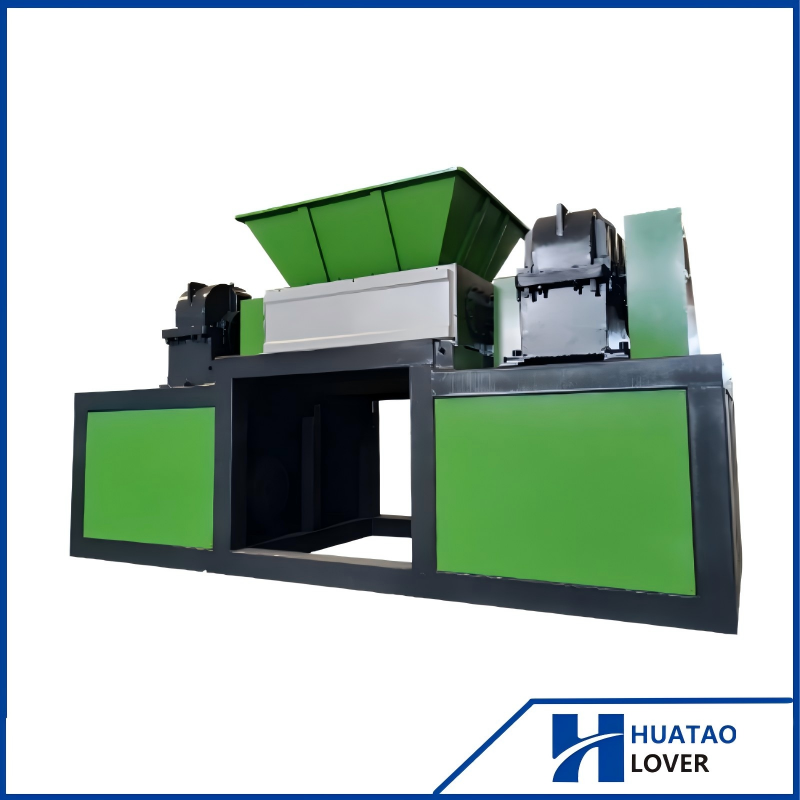
4. Follow the Correct Lubrication Schedule
Lubrication is essential for protecting bearings, gearboxes, and other moving components.
Operators should regularly inspect:
Use the lubricant grade and quantity specified in the equipment manual.
Insufficient lubrication can accelerate component wear, while excessive lubrication may also cause operational problems.
Maintain a lubrication record to ensure that scheduled work is completed consistently.
5. Keep the Cutting Chamber Clean
Material residue can accumulate inside the cutting chamber, around the rotor, and near the discharge outlet.
If buildup is ignored, it may contribute to blockages, abnormal operating conditions, and unnecessary mechanical stress.
After a controlled shutdown, inspect the chamber and discharge area according to the maintenance procedure.
Always isolate the machine from all relevant energy sources before cleaning, inspection, or jam removal. Follow lockout/tagout procedures and never enter the cutting chamber while the machine is energized.
6. Monitor the Motor, Bearings, and Gearbox
The motor, bearings, gearbox, and transmission components form an interconnected drive system.
Changes in operating temperature, unusual noise, excessive vibration, or oil leakage may indicate developing mechanical problems.
If abnormal conditions occur, stop the equipment safely and investigate the cause before restarting.
For further troubleshooting reference, read COMMON ISSUES WITH DOUBLE SHAFT SHREDDERS.
You can also review COMMON OPERATING PROBLEMS DURING DOUBLE SHAFT SHREDDER OPERATION.
7. Develop a Professional Blade Sharpening Plan
Blade sharpening is an important part of long-term maintenance where the blade design permits it.
The sharpening process should maintain the specified cutting geometry and avoid excessive material removal.
Suitable grinding equipment can help maintenance teams perform blade servicing more consistently.
Explore the FULLY AUTOMATIC LINEAR KNIFE SHARPENER and HT800MM AUTOMATIC SHARPENER.
For additional information about blade sharpening requirements, see SOLVING FREQUENT BLADE SHARPENING CHALLENGES.
8. Establish a Preventive Maintenance Schedule
A structured inspection schedule helps identify problems before they cause unexpected downtime.
| Inspection Period |
Main Maintenance Tasks |
| Daily |
Visual inspection, blade condition, noise, vibration, material buildup |
| Weekly |
Fasteners, bearings, lubrication, hydraulic components if equipped |
| Monthly |
Gearbox, rotor alignment, electrical components, structural inspection |
The actual schedule should follow the manufacturer's manual and be adjusted according to material characteristics and operating hours.
9. Maintain an Adequate Spare Parts Inventory
A preventive maintenance strategy should also include spare-parts planning.
Identify critical wear components and establish suitable replacement stock based on operating conditions and procurement lead times.
Common planning considerations include:
-
Shredder blades and cutting components.
-
Bearings and seals.
-
Lubricants.
-
Fasteners.
-
Transmission-related replacement components.
-
Electrical and hydraulic components where applicable.
Recording replacement dates and operating hours helps maintenance managers estimate future requirements and plan shutdowns more efficiently.
10. Keep Detailed Maintenance Records
Maintenance records provide valuable information about equipment performance.
Record inspection results, blade wear, lubrication activities, abnormal operating conditions, component replacements, and machine operating hours.
These records help identify recurring problems and evaluate whether changes in feeding conditions or maintenance practices are necessary.
Frequently Asked Questions
Q1: When should maintenance begin after receiving a new shredder?
Maintenance begins before the first production run with installation and commissioning inspections. Routine inspections should continue throughout operation.
Q2: How often should shredder blades be inspected?
Inspection frequency depends on material characteristics, operating hours, and blade wear. Follow the manufacturer's recommended schedule.
Q3: Why does a new shredder sometimes experience excessive vibration?
Possible causes include installation problems, loose fasteners, rotor imbalance, or bearing issues. The equipment should be inspected before further operation.
Q4: Can shredder blades be sharpened instead of replaced?
Some blade designs permit sharpening. The decision depends on blade geometry, material condition, remaining dimensions, and manufacturer recommendations.
Q5: Does material selection affect shredder service life?
Yes. Hard, abrasive, oversized, or contaminated feedstock can increase mechanical stress and accelerate component wear.
Q6: Why is gearbox lubrication important?
Proper lubrication helps reduce friction and protect gears and related transmission components.
Q7: How can unexpected shredder downtime be reduced?
Establish preventive inspections, monitor abnormal operating conditions, maintain critical spare parts, and keep accurate service records.
Q8: What information should be prepared when requesting maintenance support?
Provide the machine model, material type, operating hours, photos or videos of the problem, observed symptoms, and maintenance history.
Conclusion
Maintaining a new industrial shredder requires a systematic approach rather than occasional repairs.
Correct installation, controlled feeding, blade inspection, proper lubrication, cleaning, drive-system monitoring, and spare-parts planning all contribute to long-term equipment reliability.
For recycling businesses, preventive maintenance is not simply a technical responsibility. It is an essential part of controlling operating costs and protecting production investments.
Start with a proper maintenance plan on the first day, and make equipment reliability part of your daily production management.
Contact Us
Email: Team5@huataogroup.com
Tel: +86 13383116640 (WeChat/WhatsApp)
WhatsApp: http://wa.me/13383116640
Website: https://www.huataoshredder.com
#IndustrialShredder #ShredderMaintenance #RecyclingMachinery #ShredderBlades #PreventiveMaintenance #DoubleShaftShredder #SingleShaftShredder #PlasticRecycling #WasteRecycling #IndustrialEquipment #MachineMaintenance #BladeSharpening #RecyclingIndustry #EquipmentReliability #WasteManagement



 WhatsApp