
• Is HRC 60+ Enough to Guarantee Blade Durability?

    2026-11-17 Is HRC 60+ Enough to Guarantee Blade Durability?

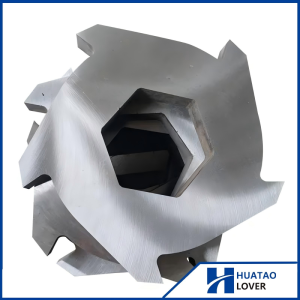
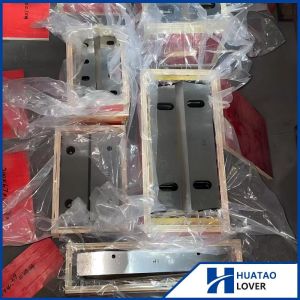
    A buyer comparing industrial shredder blades may see HRC 60, HRC 58 or another hardness value on a quotation or technical specification. It is natural to assume that the higher number represents a better blade. But this is an incomplete way to evaluate cutting tools. HRC 60+ does not automatic...
  • Blade Replacement: Should You Buy Per Set or Per Piece?

    2026-11-17 Blade Replacement: Should You Buy Per Set or Per Piece?

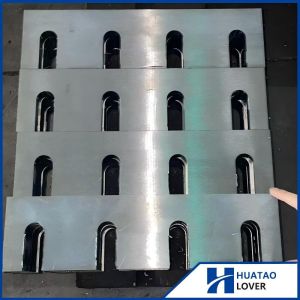
    In recycling and size-reduction operations, shredder blades are essential components that directly influence cutting performance and machine reliability. When a blade becomes damaged, operators often face a practical decision: should they purchase one replacement blade or replace the complete wor...

  • Industrial Shredder Keeps Jamming? Complete Troubleshooting and Prevention Guide

    2026-11-17 Industrial Shredder Keeps Jamming? Complete Troubleshooting and Prevention Guide

    An industrial shredder that keeps jamming can cause unexpected downtime, reduce production capacity, increase maintenance costs and potentially damage critical components. Whether you are processing plastic waste, tires, metal scrap, wood or mixed industrial waste, repeated blockages usually indicat...

  • HUATAO Single Shaft Shredder for Plastic Film: Solving the Winding Problem in Flexible Waste Recycling

    2026-11-16 HUATAO Single Shaft Shredder for Plastic Film: Solving the Winding Problem in Flexible Waste Recycling

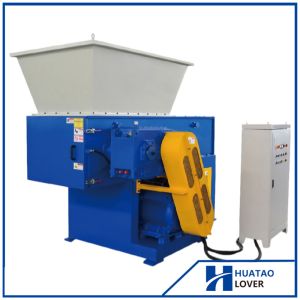
    Plastic film is the most difficult material in plastic recycling. It is thin, flexible, and has a tendency to wrap around any rotating component it contacts. In conventional shredders, film wraps around the rotor, builds up on the shafts, and eventually stalls the machine. Clearing wrapped film is a...

  • D2 vs. SKD-11 Shredder Blades: What Really Determines Service Life?

    2026-11-16 D2 vs. SKD-11 Shredder Blades: What Really Determines Service Life?

    Introduction Why can two shredder blades carrying the same D2/SKD-11 material designation deliver completely different service lives? This is a common question among recycling plant managers, equipment manufacturers, maintenance engineers, and industrial blade buyers. The reason is that ste...

  • How to Crush Different Types of Plastic: PET, HDPE, PP, PVC and ABS

    2026-11-16 How to Crush Different Types of Plastic: PET, HDPE, PP, PVC and ABS

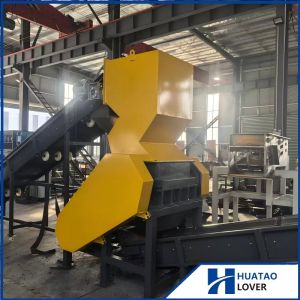
    Introduction PET, HDPE, PP, PVC, and ABS are widely used plastics, but they differ in rigidity, toughness, shape, and additives. These differences influence how plastic waste should be fed, crushed, screened, and prepared for recycling. A suitable INDUSTRIAL PLASTIC CRUSHER must match the actu...

  • Best Machine for Waste Tire Recycling: Complete Equipment and Selection Guide

    2026-11-16 Best Machine for Waste Tire Recycling: Complete Equipment and Selection Guide

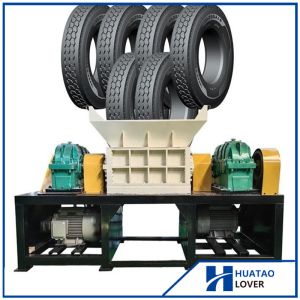
    The best machine for waste tire recycling depends on the type of recycled product you want to produce. For most mechanical tire recycling plants, a heavy-duty double-shaft tire shredder is the essential starting machine because it reduces whole tires into smaller pieces for further processing. Ho...

  • Single Shaft Shredder for Plastic Recycling: The Precision Stage That Determines Downstream Performance

    2026-11-16 Single Shaft Shredder for Plastic Recycling: The Precision Stage That Determines Downstream Performance

    Plastic recycling lines rarely fail because of the granulator. They fail because of what arrives at the granulator. The granulator is designed to produce uniform flake from material that has already been reduced to a manageable size. When it receives inconsistent feed — some oversized chunk...

  • How to Choose the Best Plastic Crusher for Your Recycling Plant

    2026-11-16 How to Choose the Best Plastic Crusher for Your Recycling Plant

    1. What Is an Industrial Plastic Crusher? An industrial plastic crusher is a size-reduction machine designed to cut plastic waste into smaller flakes or particles. It is commonly used in plastic recycling facilities, manufacturing plants, and production workshops to process plastic containers,...