

Even the most robust recycling operation can be brought to a halt by a single issue: dull or damaged blades. The symptoms are unmistakable. A shredder that was once processing tons of material per hour begins to struggle. The motor runs hot, the output is uneven, and the machine is prone to jamming. These are signs that your cutting equipment requires immediate attention, best addressed with a Knife Grinder.
Many recycling plants underestimate the frequency with which they should be using a Knife Grinder. There is no fixed calendar for sharpening; it depends on the material being processed and the total runtime. For abrasive materials like mineral-filled plastics or wire-filled tires, blades will dull much faster than when processing clean film. The key is to schedule a regrind before the edge becomes too rounded, as removing less material extends the total blade life.
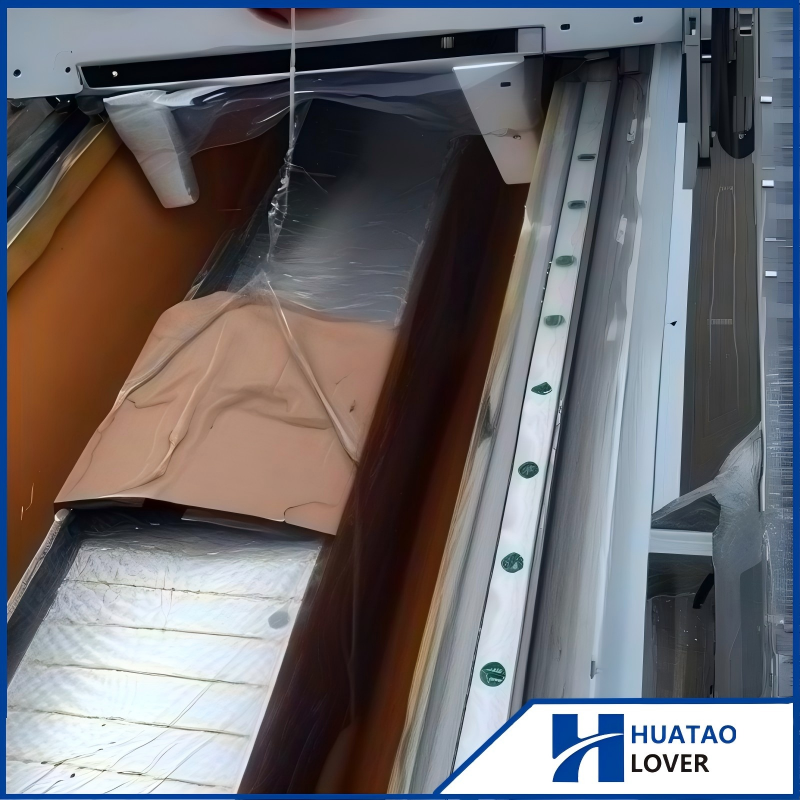
Common Blade Problems and HUATAO Knife Grinder Solution:
1 Problem: Dull Edges: The most frequent issue is simply a worn-out cutting edge. This causes the machine to tear rather than cut, leading to high energy consumption and poor particle quality. The Knife Grinder Solution: Regular, automated sharpening restores the factory edge, reducing energy consumption by up to 20%.
2 Problem: Chipped or Cracked Blades: Impact with hard contaminants, such as stray metal, can cause chipping or cracking. The Knife Grinder Solution: While chips can often be ground out, it's important to inspect the blade. If chips are too deep to grind out without compromising the blade's structural integrity, it will need replacing.
3 Problem: Blade Annealing: Overheating during grinding can ruin the steel's temper. The Knife Grinder Solution: High-quality Knife Grinder models feature an integrated water cooling system that prevents thermal damage during the sharpening process.
Best Practices for Operating a Knife Grinder:
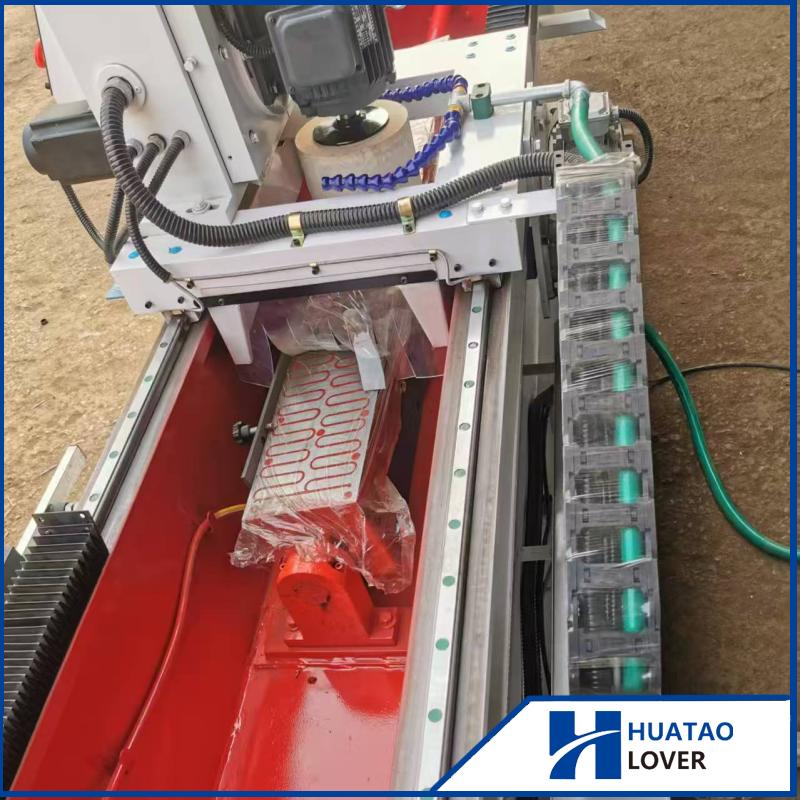
1 Maximizing the benefits of your Knife Grinder requires adherence to a set of best practices:
2 Inspect the Gap: The clearance between the rotor and bed knives is critical. Most experts recommend keeping the gap within 0.15–0.30 mm. A larger gap wastes energy and tears the material instead of cutting it cleanly.
3 Rotate Blade Sets: Many shredder blades have multiple usable edges. By rotating them at scheduled intervals, you can double or triple the service life before needing the Knife Grinder.
4 Remove Contaminants: Installing a magnetic separator upstream can prevent a stray bolt from chipping numerous blade tips in a single rotation, minimizing damage and reducing the frequency of using the Knife Grinder.
Extending Knife Grinder and Blade Life:
Maintaining the Knife Grinder itself is also important for maintaining blade quality. Regular maintenance of the machine, such as cleaning the magnetic chuck and checking the coolant system, ensures that the Knife Grinder continues to produce consistent, high-quality results. As a final note, when a blade reaches its minimum size limit, develops structural cracks, or loses its hardened layer, regrinding is no longer effective, and replacement becomes necessary.
Contact us:
Marketing@huataogroup.com
Tel:+86 13383116640 (Wechat/whatsapp)
http://wa.me/13383116640
Website:www.huataoshredder.com
#KnifeGrinder #BladeMaintenance #RecyclingMaintenance #ShredderMaintenance #IndustrialMaintenance #CrusherBlades #Huatao #WasteManagement #Manufacturing #Engineering
can not be empty
can not be empty

HUATAO GROUP - Recycling Machine and Spare parts
ADD : No.298 Zhonghua North Street, Shijiazhuang 050000 China.
TEL : +86 13383116640
EMAIL :marketing@huataogroup.com
 WhatsApp & WeChat : +86 13383116640