

The economic viability of metal recycling increasingly depends on the ability to process complex, challenging feedstocks. End-of-life vehicles (ELVs), waste electrical and electronic equipment (WEEE), and cable scrap contain valuable metals but are also contaminated with plastics, fluids, and hazardous components that complicate recovery. A Metal Recycling Line configured for these applications must incorporate specialized equipment and process controls to maximize recovery while managing contaminants effectively.
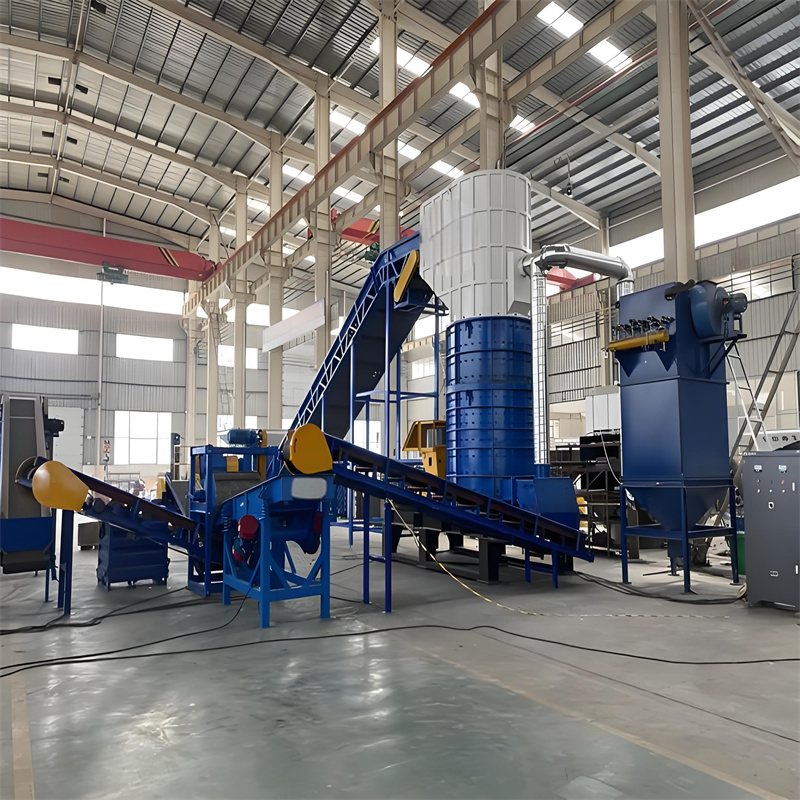
ELV Processing: Depollution and Liberation:
The recycling of end-of-life vehicles represents one of the most demanding applications for a Metal Recycling Line. Vehicles contain a mix of ferrous and non-ferrous metals, plastics, glass, rubber, and hazardous fluids that must be managed. The process typically begins with depollution—the controlled removal of fluids, batteries, and other hazardous components -1. The depolluted vehicle is then fed into the Metal Recycling Line, where it undergoes shredding, magnetic separation of ferrous metals, and advanced separation of non-ferrous metals and plastics.
Modern Metal Recycling Line configurations for ELV processing incorporate air classification systems—such as Windsifter units—that separate light materials (plastics, textiles) from heavy metals using a powerful airflow. The heavy fraction, rich in metals, then passes through magnetic blocks for ferrous capture and eddy current equipment for non-ferrous recovery -1. This multi-stage approach within the Metal Recycling Line enables the recovery of high-purity ferrous and non-ferrous fractions from vehicles that would otherwise be destined for landfill.
Cable and Wire Processing: Compact Granulation Solutions:
The recycling of copper and aluminum cables presents unique challenges due to the intimate bonding between metal conductors and plastic insulation. A specialized Metal Recycling Line for cable processing, such as the MaX system, integrates a shredder, granulator, and density separation tables to liberate and recover metals from waste cables -9. The MaX system is designed as a compact, container-sized "plug'n'run" solution capable of processing up to 1 ton of cable per hour, making metal recycling accessible to operations with limited space.
E-Waste Processing: Precision Separation
The processing of waste electrical and electronic equipment (WEEE) within a Metal Recycling Line demands precision separation to recover copper, aluminum, and precious metals from printed circuit boards and electronic components. Industry sources highlight that eddy current separators—in combination with magnetic drums—are standard components in a Metal Recycling Line for e-waste processing . These systems separate ferrous metals, then non-ferrous metals such as aluminum and copper, from the shredded electronic stream.
Economic Considerations in Metal Recycling Line Selection:
The capital investment in a Metal Recycling Line must be justified by the value of recovered materials and operational costs.
Key factors when evaluating a Metal Recycling Line include:
1 Throughput Capacity: Systems range from compact 150 kg/h hammer mills to industrial lines processing up to 15 tons per hour .
2 Energy Consumption: Modern Metal Recycling Line designs optimize energy use through efficient drive systems and intelligent controls .
3 Output Purity: High-purity separation—achieved through technologies like optical sensors and eddy current systems—maximizes the value of recovered materials for foundries.
Contact us:
Marketing@huataogroup.com
Tel:+86 13383116640 (Wechat/whatsapp)
http://wa.me/13383116640
Website:www.huataoshredder.com
#MetalRecycling #RecyclingLine #ELVRecycling #WEEE #CableRecycling #ScrapMetal #HammerMill #EddyCurrentSeparator #CircularEconomy #Huatao #RecyclingTechnology #WasteManagement
can not be empty
can not be empty

HUATAO GROUP - Recycling Machine and Spare parts
ADD : No.298 Zhonghua North Street, Shijiazhuang 050000 China.
TEL : +86 13383116640
EMAIL :marketing@huataogroup.com
 WhatsApp & WeChat : +86 13383116640