

In the recycling, waste management, and manufacturing industries, the shredder blade serves as the heart of the operation. These critical components determine throughput, energy consumption, and final product quality. Proper usage, maintenance, and timely replacement of crusher knives are not just maintenance tasks—they are profit-protecting strategies. This guide provides actionable insights for maximizing the performance of your industrial shredder blades.
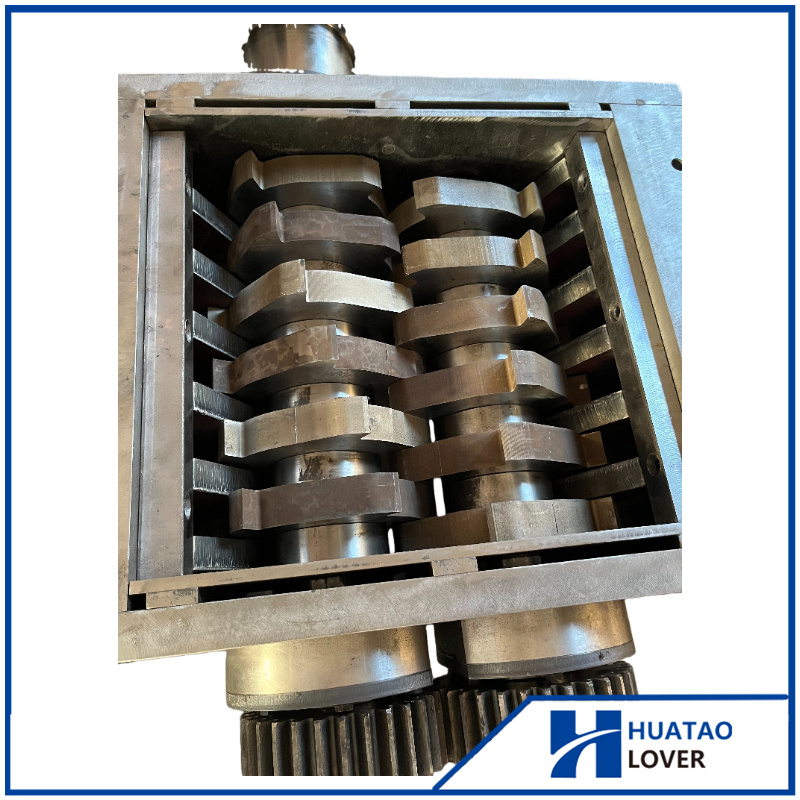
Critical Signs Your Blades Need Attention
Waiting for a catastrophic failure is the most expensive maintenance strategy. Operators should monitor for these early warning indicators that signal shredder blades are past their optimal lifecycle:
Energy Spikes: Dull blades tear rather than cut, forcing the motor to work harder. A consistently higher current draw on the ammeter for standard loads indicates dull crusher knives.
Throughput Drop: A noticeable reduction in tons-per-hour processing often signals that rotor knives have lost their edge. One industry expert notes that worn knives can increase energy consumption by up to 40% before replacement.
Excessive Fines and Dust: Sharp blades cut cleanly; worn blades pulverize material, creating excessive dust rather than uniform chips.
Abnormal Noise and Vibration: As cutting becomes inefficient, mechanical stress translates into audible grinding and increased vibration throughout the machine frame.
Visual Wear Limits: For alloy blades, edge wear exceeding 0.2mm–0.5mm typically indicates the need for rotation or replacement. Missing or damaged hooks on the knives can reduce potential throughput by 25% or more.
Installation Best Practices
Safety First
Never attempt installation or maintenance without following Lock-Out, Tag-Out (LOTO) procedures. Disconnect the main power supply, lock the isolator switch, and verify zero energy state before entering the cutting chamber. Wear cut-resistant gloves and safety goggles when working around the cutting chamber.
Precision Gap Adjustment
The clearance between rotating knives and stationary counter-knives is the single most critical setting for performance. Typical gap recommendations vary by material:
Rigid Plastics (Lumps, Purge): 0.5mm – 1.0mm
Hollow Containers (Bottles): 1.0mm – 2.0mm
Films and Woven Bags: 0.3mm – 0.5mm
Wood / Pallets: 1.5mm – 3.0mm
Use a feeler gauge to verify the gap across the entire blade length, and rotate the rotor by hand (with power OFF) a full 360 degrees to ensure no high spots make contact.
Maintenance Techniques
The "Run-In" Period
After installing new blades, run the machine empty for 30 minutes, then stop and re-torque all bolts. Metal settles, and bolts can loosen slightly after the initial thermal cycle—a simple step that prevents major failures.
Regular Cleaning and Lubrication
Keep blades clean and free from residue buildup that could affect cutting precision. Dust and debris accumulation between blades prevents proper clearance, potentially causing extreme damage.
When to Replace vs. Sharpen
1 Single-Shaft Shredders: Most use 4-sided rotatable knives. When one edge dulls, rotate 90 degrees to a fresh edge. Replace only after all four edges are worn.
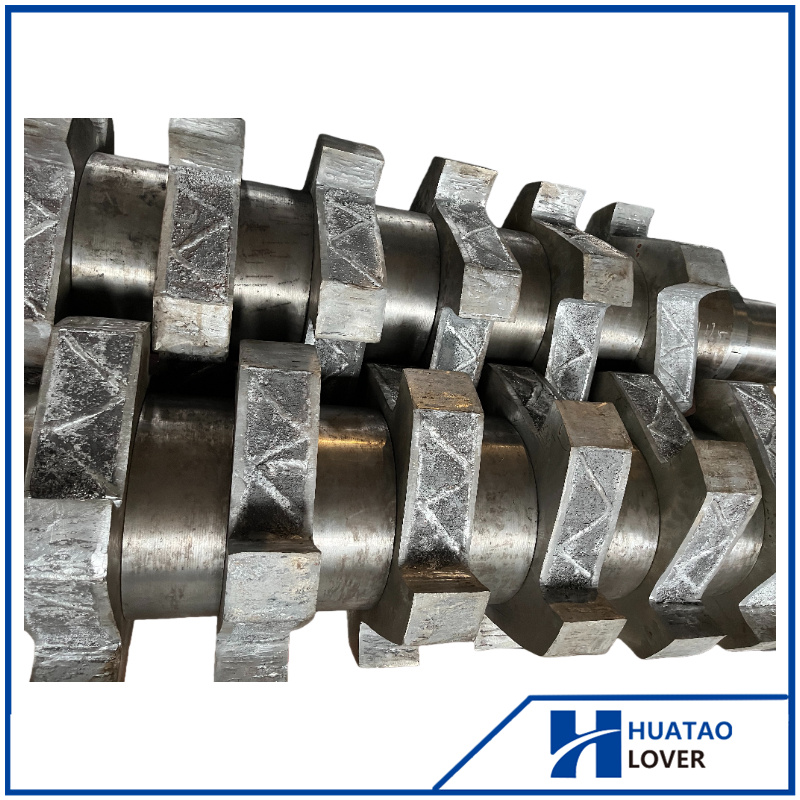
2 Dual-Shaft Shredders: Hooked shear blades cannot usually be rotated and must be sent for hardfacing (welding) and re-sharpening, or replaced entirely.
Rule of Thumb: If sharpening removes more than 20% of the original knife width, replacement is likely smarter. Also watch for microscopic cracks that can lead to catastrophic failure.
Feed Material Considerations
One of the primary causes of blade damage is foreign objects in the feed material. Always inspect materials before feeding to remove contaminants such as metal pieces, stones, or other hard objects. Implement ferrous metal detection systems (magnetic separators) to keep tramp metal out of your shredder. Avoid overloading with excessively thick or heavy materials that exceed the manufacturer's specifications.
Maximizing Blade Life
Material Matters: Abrasive materials can wear down standard carbon steel knives in as little as 3 months, while tungsten carbide might last 2-3 times longer.
Record Keeping: Track your knife maintenance, recording throughput rates before and after sharpening to establish optimal replacement schedules.
Quality Investment: High-quality shredder blades—typically D2 or SKD-11 alloy—offer an excellent balance of hardness and toughness, delivering better performance and longer service life.
Proper shredder blade maintenance is an investment, not a cost. The right replacement schedule and usage practices can boost crusher efficiency by 30% or more—and that adds up fast in industrial operations.
can not be empty
can not be empty

HUATAO GROUP - Recycling Machine and Spare parts
ADD : No.298 Zhonghua North Street, Shijiazhuang 050000 China.
TEL : +86 13383116640
EMAIL :marketing@huataogroup.com
 WhatsApp & WeChat : +86 13383116640