The best machine for plastic waste recycling depends on the type of plastic, feedstock condition, required processing capacity, target output size and final recycled product. A SINGLE SHAFT SHREDDER is often suitable for bulky plastic waste, a DOUBLE SHAFT SHREDDER MACHINE can be considered for certain irregular and mixed materials, and a HIGH EFFICIENCY CRUSHER FOR DAILY RIGID PLASTIC WASTE RECYCLING is commonly used for granulating rigid plastic scrap.
For projects that require clean flakes or recycled pellets, a complete plastic recycling line may be necessary. It can combine size reduction, washing, separation, drying and further processing. For recycling plant owners, equipment selection should begin with a detailed assessment of the feedstock and the required final product.
Quick Answer: Which Machine Should You Choose?
The right configuration should be confirmed against actual material samples rather than selected from a general equipment description.
1. Identify the Feedstock: The First Step in Equipment Selection
Plastic waste is not a uniform raw material. A recycling plant may process one material stream or several different types.
The table is a preliminary selection guide. Actual machine suitability depends on material thickness, dimensions, hardness, moisture, contamination and the required output.
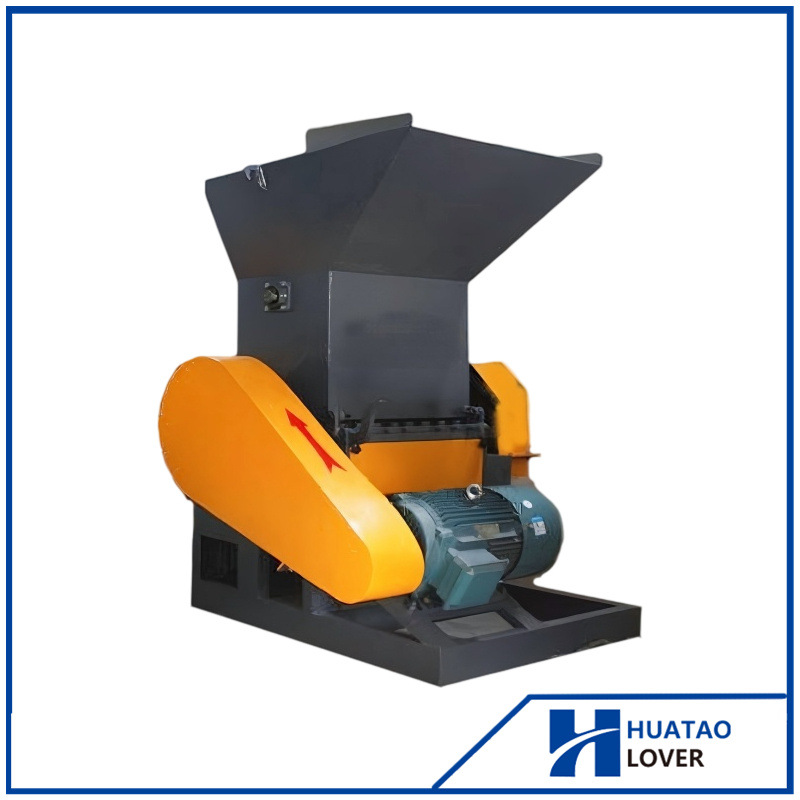
2. Single Shaft Shredder: A Common Choice for Bulky Plastic
A SINGLE SHAFT SHREDDER generally uses a rotating rotor fitted with cutting tools and stationary counter-knives. A feeding system pushes the material toward the rotor, where cutting action reduces its size. Depending on the machine design, a screen can help control the discharge size.
Typical applications include:
-
Large plastic lumps and purgings.
-
Thick-walled plastic components.
-
Plastic pipes and profiles.
-
Bulky containers and industrial plastic scrap.
-
Materials requiring pre-shredding before granulation.
When evaluating a single shaft shredder, buyers should examine rotor dimensions, cutting tool arrangement, screen design, feeding system, drive configuration and access for maintenance. For specific models, see SINGLE SHAFT SHREDDER 1200 TYPE and SINGLE SHAFT SHREDDER HT 1000 TYPE.
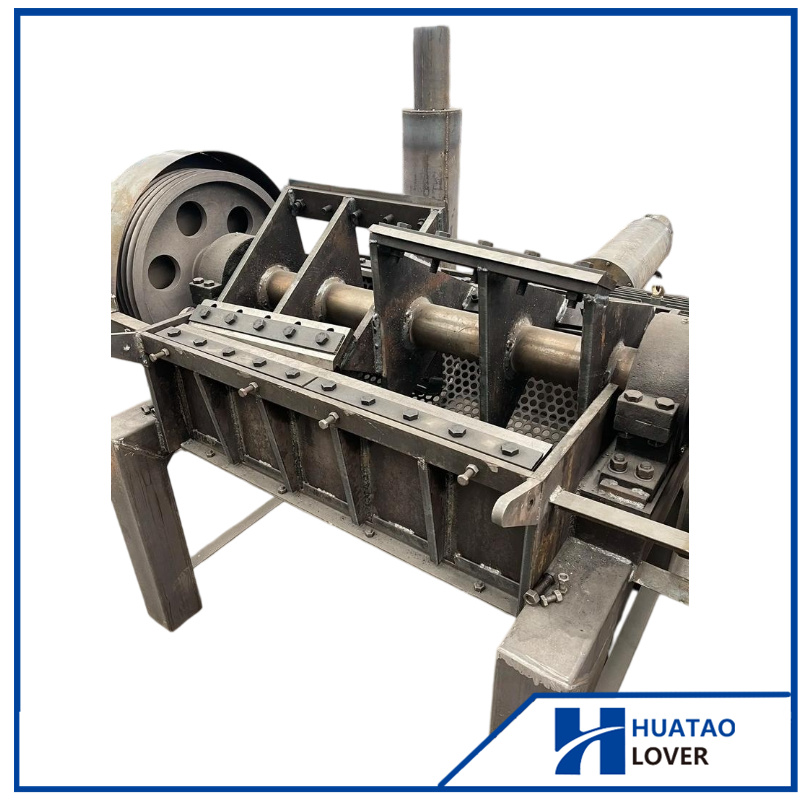
3. Double Shaft Shredder: For Bulky and Irregular Materials
A DOUBLE SHAFT SHREDDER MACHINE uses two rotating shafts fitted with cutting discs or blades. The shafts work together to pull in and tear the material. It may be suitable for selected bulky plastic waste streams, especially when the material is irregular and requires a tearing or shearing action.
However, buyers should not assume that a double shaft shredder will automatically produce the final particle size required by a recycling process. Depending on the application, a secondary crusher or granulator may still be necessary. For model options, see 1200 TYPE DOUBLE SHAFT SHREDDER and 1000 TYPE DOUBLE SHAFT SHREDDER.
Important selection questions include:
-
What is the maximum feedstock dimension?
-
What is the material’s thickness and toughness?
-
What discharge size is required?
-
Is secondary size reduction necessary?
-
How will the machine handle flexible materials?
4. Plastic Crusher: For Granulating Rigid Plastic Scrap
A HIGH EFFICIENCY CRUSHER FOR DAILY RIGID PLASTIC WASTE RECYCLING uses rotating and stationary blades to cut plastic into smaller pieces. A screen beneath the cutting chamber helps determine the approximate discharge size.
Common applications include:
-
Injection-molding rejects.
-
Plastic crates and containers.
-
Suitable rigid plastic bottles.
-
Manufacturing offcuts.
-
Pre-shredded plastic materials.
A crusher is not necessarily the best choice for every large or bulky object. Oversized feedstock may need to be shredded first to ensure stable feeding and effective granulation. For blade selection, review HOW TO CHOOSE THE RIGHT PLASTIC CRUSHER BLADES SKD11 D2 DC53 AND LD and CRUSHER BLADE.
5. When Should You Invest in a Complete Plastic Recycling Line?
A standalone shredder or crusher reduces material size. It does not necessarily remove labels, dirt, oil, sand or other contaminants. When the project requires clean recycled flakes or feedstock for extrusion, additional processing stages may be necessary.
A typical process may include:
-
Sorting and pre-treatment: Remove unsuitable materials and prepare the feedstock.
-
Shredding or crushing: Reduce the material to a suitable size for downstream processing.
-
Washing and friction cleaning: Remove dirt and contaminants according to material requirements.
-
Separation and rinsing: Separate materials where the process design requires it.
-
Dewatering and drying: Reduce moisture before storage or further processing.
-
Extrusion and pelletizing: Convert prepared plastic flakes into pellets when required by the final application.
For PET bottle lines, see PET POLYETHYLENE TEREPHTHALATE BOTTLE RECYCLING LINE. For mixed plastic waste, see WASTE RECYCLING PRODUCTION LINE. For pelletizing, review PLASTIC GRANULATOR MACHINE.
6. How to Compare Machines Before Purchasing
| Evaluation factor |
What buyers should verify |
| Feedstock compatibility |
Material type, thickness, dimensions and condition |
| Processing capacity |
Actual throughput for comparable feedstock |
| Output size |
Required particle size and screen configuration |
| Feeding stability |
Ability to feed the material consistently |
| Blade system |
Blade material, design, replacement and maintenance |
| Energy requirements |
Installed power and expected operating conditions |
| Maintenance |
Access to blades, screens, bearings and other wear components |
| Complete process |
Whether additional washing, separation or drying is required |
A quoted capacity should always be interpreted in context. Different feedstocks can produce different throughput even when processed by the same machine. For a reliable comparison, ask suppliers to state the material used for their capacity estimate and whether it was measured during a test or calculated from design parameters.
7. How to Evaluate a Plastic Recycling Machine Manufacturer
Choosing the manufacturer is as important as choosing the machine. A professional equipment supplier should be able to discuss:
-
Material testing: Can the manufacturer evaluate your actual plastic waste or comparable samples?
-
Process design: Can it explain why a shredder, crusher, washing system or combination is appropriate?
-
Technical configuration: Can it provide relevant information about cutting tools, screens, feeding, drive systems and maintenance?
-
Capacity verification: Can it clarify the conditions behind the proposed throughput?
-
After-sales support: Are spare parts, technical documentation, installation guidance and maintenance support available?
Buyers should also request a process flow diagram, equipment list, utility requirements and clearly defined supply scope. These documents make it easier to compare quotations on an equivalent basis. For maintenance planning, see OPTIMIZING SHREDDER BLADE USAGE A COMPREHENSIVE GUIDE TO EFFICIENCY AND LONGEVITY and DO YOU KNOW HOW TO MAINTENANCE AND CARE OF THE SHREDDER BLADE.
8. Common Equipment Selection Mistakes
-
Choosing a machine based only on motor power.
-
Comparing capacity figures without checking feedstock conditions.
-
Ignoring the difference between shredding and granulation.
-
Buying a crusher for oversized material without evaluating pre-shredding.
-
Underestimating washing and contamination-removal requirements.
-
Failing to consider blade replacement and maintenance access.
-
Selecting equipment before defining the final recycled product.
Avoiding these mistakes can help reduce mismatches between the machine configuration and the actual recycling process.
9. Frequently Asked Questions
1. What is the best machine for plastic waste recycling?
The best machine depends on the material. Single shaft shredders are commonly used for bulky plastic, double shaft shredders can handle certain irregular waste streams, and plastic crushers are used for many rigid plastic scraps. A complete recycling line is more appropriate when the project also requires washing, separation and drying.
2. What is the difference between a plastic shredder and a plastic crusher?
A shredder is generally used for primary size reduction of bulky or irregular materials. A crusher uses cutting blades to granulate suitable plastic into smaller flakes. Some recycling plants use both machines in sequence to achieve the required feed size.
3. Can a single shaft shredder process plastic film?
It may be possible with a suitable machine configuration, but flexible film can present feeding and wrapping challenges. Buyers should provide film samples and discuss rotor design, feeding arrangements and the required output with the manufacturer before selecting equipment.
4. Is a double shaft shredder suitable for mixed plastic waste?
It can be considered for selected bulky and irregular mixed plastic streams. However, mixed waste may require sorting, material-specific processing and secondary size reduction. The suitability of a double shaft machine should be verified through material evaluation.
5. Does plastic waste recycling always require washing?
No. Clean industrial production scrap may need only size reduction before reuse or further processing. Contaminated post-consumer plastic may require washing, rinsing, separation and drying to meet the intended recycled material quality.
6. What information is needed for a plastic recycling machine quotation?
Provide plastic type, feedstock dimensions, contamination level, required capacity, target output size, processing steps and destination country. Sample photos or material samples can help suppliers recommend suitable equipment.
7. How do I calculate the required recycling capacity?
Start with the amount of material available per day, planned operating hours, expected downtime and target production. Then discuss the feedstock-specific throughput with the supplier. Do not rely on a generic capacity figure without knowing the material and operating conditions.
8. Should I purchase a shredder and crusher together?
Not every project needs both. A shredder and crusher combination can be useful when bulky feedstock needs primary size reduction followed by finer granulation. The decision depends on the required particle size and the performance of the proposed equipment.
9. How can I verify a machine’s actual performance?
Request a material test using your own feedstock or a representative sample. Review the feeding behavior, discharge size, processing stability and any material losses. Confirm the test conditions and measurement method before using the results for procurement decisions.
10. What should I check when comparing two recycling machine suppliers?
Compare feedstock assumptions, equipment configuration, verified capacity, output requirements, blade and screen specifications, supply scope, maintenance costs, spare parts and technical support. A lower initial quotation does not necessarily mean a lower total operating cost.
Conclusion
The best machine for plastic waste recycling is determined by the material and the complete processing objective. Shredders handle primary size reduction, crushers produce smaller flakes, and washing lines prepare contaminated material for further recycling. For industrial buyers, the most effective selection process is to define the feedstock, establish the target output, compare machine configurations and verify performance through testing. A properly matched system can support more stable production and a practical long-term recycling operation. For cost efficiency and blade selection, see FOCUS ON COST EFFICIENCY LONG TERM OPERATION LOW MAINTENANCE AUTOMATIC ELECTROMAGNETIC LINEAR GRINDING EQUIPMENT and CHOOSE HUATAO CHOOSE THE BEST QUALITY SHREDDER BLADES.
Contact:
Email: marketing@huataogroup.com
Mobile / WhatsApp / WeChat: +86 13383116640
Website: www.huataoshredder.com



 WhatsApp