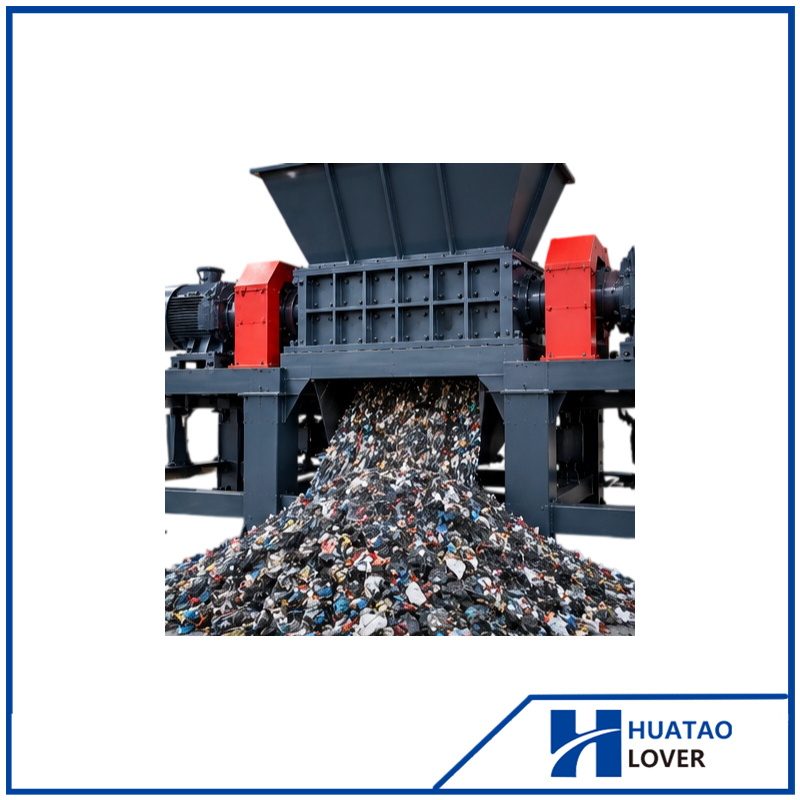
E-waste processing carries safety and compliance obligations that distinguish it from other recycling activities. Electronic scrap contains hazardous materials — heavy metals, brominated flame retardants, capacitors with residual charge, and in some cases, radioactive components from industrial equipment. Processing these materials requires engineering controls that protect workers, the environment, and the facility itself. The Double Shaft Shredder plays a central role in this safety architecture.
Hazard Identification Before Shredding
The safety of an e-waste shredding operation begins before material reaches the Double Shaft Shredder. Hazardous components must be identified and removed during receiving and pre-processing.
Batteries. Lithium-ion and nickel-cadmium batteries pose fire and chemical hazards. They must be removed before shredding. A battery punctured by shredder blades can ignite, and the resulting fire is difficult to extinguish.
Capacitors. Large capacitors in power supplies and appliances may retain charge. Discharge procedures must be followed before the equipment is fed to the Double Shaft Shredder.
Mercury-Containing Components. Fluorescent backlights in displays and mercury switches in older appliances contain elemental mercury. These components must be removed and managed as hazardous waste.
Refrigerants. Appliances containing refrigerant circuits must be degassed before shredding. Refrigerant released during shredding contributes to ozone depletion and global warming.
The Double Shaft Shredder cannot perform these removal functions. They must be performed upstream. The shredder's role begins after hazardous components have been removed.
Dust Generation and Control
Shredding electronic scrap generates dust. The dust contains fine particulates from plastics, glass, ceramics, and metals, and it may carry heavy metals and brominated compounds. Dust control is therefore a primary engineering requirement in any e-waste shredding operation.
The Double Shaft Shredder generates less dust than high-speed impact shredders because it operates at low rotational speed. This is a design advantage for e-waste applications, where dust generation is a significant concern. Nevertheless, dust is generated, and control measures are required.
Dust control in an e-waste shredding line typically includes enclosure of the Double Shaft Shredder and conveying equipment, extraction ventilation connected to filtration systems, and regular cleaning of the facility to prevent dust accumulation. Explosion venting may be required where combustible dusts are present.
Fire Prevention and Detection
Fire is a serious risk in e-waste processing. Ignition sources include batteries, residual charge in capacitors, friction from shredder blades, and hot work during maintenance. The Double Shaft Shredder itself is a potential ignition source if blades strike materials capable of generating sparks — titanium, for example, or certain magnesium alloys.
Fire prevention measures include upstream removal of ignition sources, temperature monitoring of the Double Shaft Shredder and downstream equipment, spark detection systems, and fire suppression equipment appropriate to the materials being processed.
The Role of the Double Shaft Shredder in Containment
The Double Shaft Shredder is typically enclosed to contain material and dust during processing. This enclosure serves a safety function, preventing operator contact with rotating components and containing material that might otherwise be ejected. Access doors on the Double Shaft Shredder enclosure are interlocked with the drive system, preventing operation while the enclosure is open.
Huatao manufactures the Double Shaft Shredder in a range of configurations suited to different e-waste processing requirements. Models include the 600 Type Double Shaft Shredder, 800 Type Double Shaft Shredder, 1000 Type Double Shaft Shredder, and 1200 Type Double Shaft Shredder. Full information is on the Double Shaft Shredder Machine page.
Regulatory Compliance Framework
E-waste processing is regulated under frameworks that vary by jurisdiction but share common elements. The Basel Convention governs transboundary movement of hazardous waste. The EU's WEEE Directive establishes producer responsibility and processing standards. National regulations in many countries impose additional requirements on e-waste processing facilities.
Compliance obligations typically include documentation of material flows, demonstration of processing standards, management of hazardous residues, and reporting to regulatory authorities. The Double Shaft Shredder and the surrounding processing line must be capable of meeting these obligations.
For operators building compliant e-waste processing capacity, Huatao configures E Waste Recycling Line High Purity Zero Discharge Systematic Solution systems designed to support regulatory compliance objectives. Circuit board specific processing is addressed in Circuit Board Crushing And Sorting Production Line.
Training and Operational Procedures
Engineering controls are necessary but not sufficient. Safe operation of an e-waste shredding line requires trained personnel, documented procedures, and a safety culture that prioritizes hazard identification.
Operators of the Double Shaft Shredder must understand the material acceptance criteria — what may and may not be fed to the machine. They must recognize the signs of potential hazards: unusual noises, temperature increases, or visible smoke. They must know the emergency shutdown procedure and the location of fire suppression equipment.
Maintenance personnel must follow lockout-tagout procedures when working on the Double Shaft Shredder. Blade changes and chamber inspections involve exposure to sharp edges, heavy components, and residual contamination. Protective equipment and safe working procedures are mandatory.
Maintenance guidance covering these considerations is available in Twin Shaft Shredder Maintenance Guide Extend Service Life Cut Operational Cost. Blade care is covered in Do You Know How To Maintenance And Care Of The Shredder Blade and The Most Important Part Of Shredder Shredder Blades.
Contact us:
Marketing@huataogroup.com
Tel:+86 13383116640 (Wechat/whatsapp)
http://wa.me/13383116640
Website:www.huataoshredder.com
#EWasteSafety #DoubleShaftShredder #WEEECompliance #HazardousWaste #DustControl #FirePrevention #Huatao #CircularEconomy #RecyclingSafety #WasteManagement



 WhatsApp